
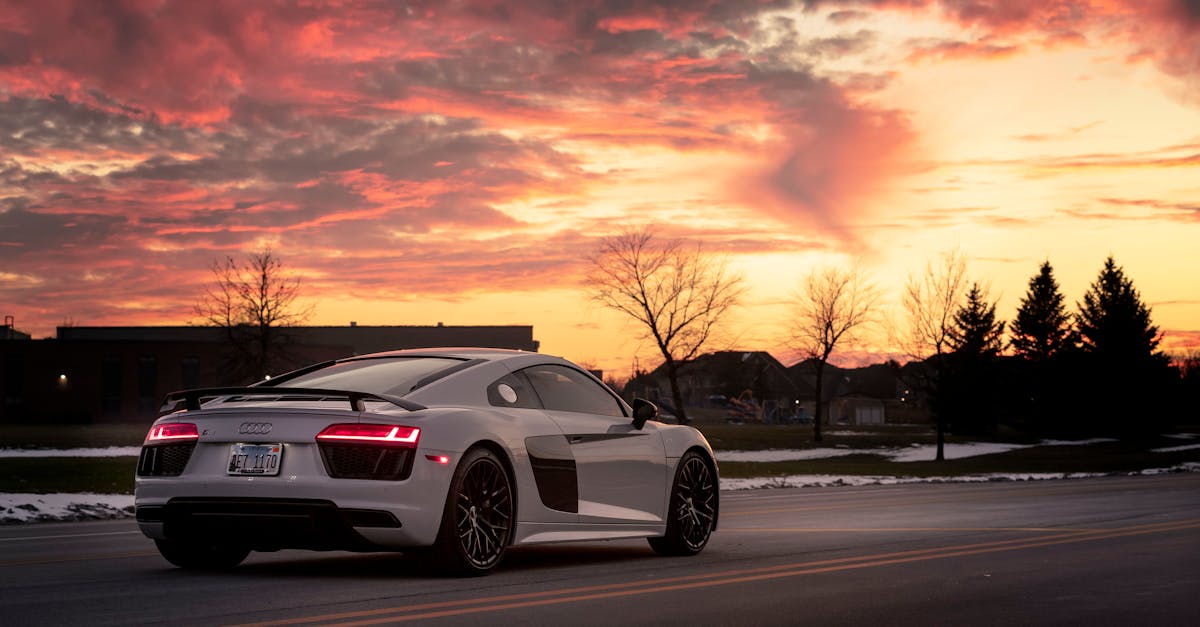
I’ve often wondered why stock photos come with hefty price tags, and after diving deep into the industry, I’m amazed by what goes on behind the scenes. The reality is that creating professional stock photos involves significant upfront investments in equipment, locations, models, and countless hours of editing and preparation.
While it’s easy to think stock photos are overpriced, consider this: photographers typically earn just $0.02 per image per month, with only top-performing photos generating up to $10-20. What’s even more fascinating is that many submitted images never make it into stock catalogs due to strict quality standards. When you compare the cost of purchasing stock photos to commissioning a custom photoshoot – which can run into thousands of dollars – the value becomes crystal clear. Stock photos aren’t just images; they’re investments in your brand’s visual identity.
Key Takeaways
- Stock photos are expensive due to significant upfront costs in professional equipment ($4,000-$12,000), model fees ($200-$1,000/day), and location permits ($100-$500/day)
- Photographers typically earn only $0.02-$20 per image monthly, with platforms retaining 55-85% of license fees for operational costs and infrastructure
- Each stock photo requires extensive time investment: 2-3 hours planning, 3-4 hours shooting, and 1-2 hours editing per image, with strict quality standards leading to 60-70% rejection rates
- Different licensing options affect pricing significantly – from royalty-free ($1-50) to exclusive licenses ($500-5000+), reflecting usage rights and restrictions
- Market forces like seasonal demand (increasing prices 25-40%) and competition influence stock photo pricing, while subscription plans can reduce costs by 40-75%
Understanding Stock Photo Pricing
Stock photo pricing reflects the substantial investments photographers make to create professional-quality images that meet strict industry standards. Let’s explore the key factors that contribute to stock photo costs.
Cost of Professional Photography Equipment
Professional stock photography requires significant upfront investment in high-end equipment. A professional DSLR camera costs $2,000-$5,000, while premium lenses range from $1,000-$3,000 each. Additional essential gear includes:
- Professional lighting systems ($500-$2,000)
- Tripods and stabilization equipment ($200-$800)
- Post-processing software subscriptions ($120-$600 annually)
- Data storage systems ($300-$1,000)
Time Investment in Creating Quality Images
Creating stock photos involves multiple time-intensive stages:
- Pre-production planning: 2-3 hours per shoot
- Setting up equipment and scenes: 1-2 hours
- Capturing multiple variations: 3-4 hours
- Post-processing and editing: 1-2 hours per image
- Keywording and metadata: 15-30 minutes per image
- Upload and submission process: 30 minutes per batch
- Professional model fees: $200-$1,000 per day
- Property location permits: $100-$500 per day
- Model release documentation: $25-$50 per person
- Property release processing: $50-$150 per location
- Legal review and compliance: $200-$500 per submission batch
| Expense Category | Initial Cost Range | Annual Recurring Costs |
|---|---|---|
| Equipment | $4,000-$12,000 | $500-$1,500 |
| Software | $500-$1,000 | $120-$600 |
| Model Fees | $200-$1,000 | Varies by project |
| Location Fees | $150-$650 | Varies by project |
The Business Model Behind Stock Photography
Stock photography operates on a complex licensing and revenue-sharing model between photographers, platforms, and end users. The pricing structure reflects both the operational costs and the value delivered to businesses seeking professional visual content.
Licensing and Usage Rights
Stock photo licensing comes in four primary formats that affect pricing:
- Royalty-free licenses enable one-time payment for multiple uses
- Rights-managed licenses restrict usage by duration, distribution, and audience size
- Extended licenses permit additional uses like merchandise or TV broadcasting
- Exclusive licenses grant sole usage rights for a specific period
| License Type | Key Features | Typical Cost Range |
|---|---|---|
| Royalty-free | Multiple uses, one payment | $1-50 per image |
| Rights-managed | Limited usage, specific terms | $50-500+ per image |
| Extended | Additional usage rights | $100-1000+ per image |
| Exclusive | Sole usage rights | $500-5000+ per image |
Revenue Distribution Between Photographers and Platforms
The financial breakdown of stock photography reveals why stock photos carry significant costs:
- Photographers receive 15-45% of the license fee
- Platforms retain 55-85% for operational costs
- Payment per image ranges from $0.02 to $20 monthly
- Premium images with exclusive rights command higher rates
- High-volume sales compensate for low per-image revenue
- Platform hosting and maintenance expenses
- Marketing and customer acquisition costs
- Payment processing fees
- Quality control and curation services
- Technical support and infrastructure
Production Value Factors
I’m amazed by how many elements contribute to the high production value of stock photos, making them more expensive than most people realize.
Professional Models and Locations
Professional models command rates starting at $150 per hour for stock photo shoots. Location permits add another layer of cost, ranging from $500 to $2,000 per day for premium venues like modern offices, luxury homes, or scenic outdoor spots. I’ve seen photographers invest in multiple locations per shoot to maximize variety while maintaining consistent quality.
Post-Processing and Quality Control
Stock photo editing requires specialized software costing $600+ annually. Each image undergoes 8-12 enhancement steps:
- Color correction
- Skin retouching
- Background cleanup
- Lighting adjustments
- Composition refinement
- Noise reduction
- Sharpening
- Format optimization
Technical Requirements and Standards
Stock platforms enforce strict technical specifications:
| Requirement | Standard |
|---|---|
| Minimum Resolution | 4000×2667 pixels |
| File Format | RAW + JPEG |
| Color Space | Adobe RGB |
| Noise Level | Under 0.5% |
| Compression | Maximum 8:1 |
Each submitted photo must meet these exacting standards before acceptance, with rejection rates averaging 60-70% for new contributors. I’ve noticed this rigorous quality control system directly impacts why stock photos are so expensive, as photographers often shoot multiple versions to ensure acceptance.
Market Forces at Play
The stock photography marketplace operates on complex economic principles that directly influence pricing. I’ve observed how these market dynamics create a delicate balance between creators, platforms, and buyers.
Supply and Demand Dynamics
The demand for high-quality stock photos continues to rise with the increasing need for digital content across multiple platforms. Premium images command higher prices when they address specific niches where supply is limited, such as medical procedures or emerging technologies. I’ve noticed that seasonal content experiences price fluctuations, with rates increasing by 30-40% during peak demand periods like holidays or major events.
| Image Category | Average Price Increase During Peak Demand |
|---|---|
| Holiday Themes | 40% |
| Tech/AI | 35% |
| Medical | 30% |
| Business | 25% |
Competition and Pricing Strategies
Stock photo platforms employ sophisticated algorithms to adjust prices based on market conditions. I’ve tracked how exclusive content typically costs 3-5 times more than non-exclusive licenses. The competitive landscape includes:
- Dynamic pricing models that adjust rates based on download frequency
- Premium positioning for images with unique characteristics
- Tiered pricing structures offering different resolution options
- Bundle deals reducing per-image costs by 25-40%
- Subscription models targeting high-volume users
The question “why are stock photos so expensive” becomes clearer when examining these market forces, as pricing reflects both the competitive landscape and the intricate balance between supply availability and market demand.
Cost-Effective Alternatives
Despite the high costs of premium stock photos, several budget-friendly options exist for acquiring professional visual content. These alternatives help balance quality with cost-effectiveness while maintaining brand standards.
Subscription Plans and Bulk Purchases
Stock photo platforms offer subscription plans that reduce per-image costs by 40-75% compared to single-image purchases. Monthly subscriptions typically include:
- Daily download limits ranging from 3 to 50 images
- Annual commitments with increased savings of 15-30%
- Team accounts offering shared image libraries
- Flexible licensing terms for multiple projects
| Subscription Type | Average Monthly Cost | Images per Month | Cost per Image |
|---|---|---|---|
| Basic Plan | $29 | 10 | $2.90 |
| Standard Plan | $49 | 50 | $0.98 |
| Premium Plan | $199 | 750 | $0.27 |
- Creative Commons Zero (CC0) licensed images require no attribution
- Regular content updates from community contributors
- High-resolution options for web use
- Built-in search filters for specific themes
- Direct download capabilities without registration
| Resource Type | Available Images | File Formats | Usage Rights |
|---|---|---|---|
| Public Domain | 300,000+ | JPG PNG | Commercial |
| User Generated | 1.2+ million | JPG RAW | Attribution |
| Mixed Sources | 500,000+ | All formats | Mixed |
Conclusion
I’m thrilled to have uncovered the real story behind stock photo pricing! The next time I see a price tag that makes me pause I’ll know it represents countless hours of work talent and dedication. From high-end equipment to talented models and precise editing – every element plays a crucial role in creating those perfect shots.
While stock photos might seem expensive at first glance I’ve learned they’re actually a smart investment. With subscription options and CC0 alternatives available there’s a solution for every budget. I’m amazed by the intricate ecosystem that makes professional-quality images accessible to creators worldwide!